


Smash Colors: Music Ball Rush
4.29.01K Reviews
App Specs
- Version
- 1.1.77
- Updated On
- License
- Free
- Downloads
- 100,000,000+
- Developer
- BADSNOWBALL HONGKONG LIMITED
- Categories
- Music
- Platform
- Android, iOS
Screenshots
 Analysis by AppCompare
I like having a quick game available for the small gaps in a day: the wait while someone gets ready, a quiet stretch at home, or a few minutes before dinner. Smash Colors: Music Ball Rush fits that kind of use because its central idea is easy to understand: follow the rhythm, steer a colored ball, and aim for barriers that match its color. It gives me something more active to focus on than scrolling, without asking me to learn a complicated set of controls first.
A game that can be passed around, with a little care
On a shared phone or tablet, the straightforward controls make it easy for another person to try a turn. One player can hand the device over after a run, and the next can quickly understand the basic goal by watching. That makes it a natural option for a casual household break, especially when people want to take turns rather than settle in for a long session together.
There is a practical catch: a shared device is still one device. I would agree on whose turn it is before starting, and avoid handing it over while a run is underway. The game asks for attention to color and timing, so interruptions can make a player lose their place. If two people want to play at once, this is not the same kind of shared activity as a party game designed around simultaneous turns.
It also helps to keep expectations modest. A quick round can be a pleasant way to fill a pause, but a household should not assume the game will organize a group session or manage turns for them. A simple “one run each” arrangement is often enough; if people disagree about who had the longer or better attempt, agree on a rule beforehand rather than turning a casual game into a score dispute.
Keeping play separate on a shared device
Because the appeal is built around quick attempts and personal coordination, I would treat each handoff as a fresh turn rather than assume that several people will want the same ongoing experience. Before passing the device, make sure the next player is ready and the sound is at a comfortable level. That small routine is especially useful in a shared room, where one person may be concentrating while someone else is talking or watching something nearby.
For a household that shares a device, the useful question is not only whether everyone can swipe the ball, but whether each person is comfortable with the same setup and content. I would let a younger or less experienced player try only when an adult has already considered the game’s age context, and I would keep purchases under the device owner’s usual supervision. That is a general shared-device habit, not a special control I would expect the game itself to provide.
There is no need to turn a short music game into a family account project. Still, people should know whose device they are using and who is responsible for any store activity on it. The game is free to start, while optional in-app purchases are listed from $0.99 to $19.99 per item. That makes it sensible to keep the device’s normal purchase safeguards in place, especially if children can use the same screen.
Worth Reading Before You Choose

Flipboard Shows What News Apps Must Do Beyond the Feed

Switching to Android Auto Means Rethinking Your Driving Routine

Google Calendar Makes a Crowded Week Easier to Manage

Ludo King Makes the Most of the Minutes Between Plans

Baby Panda World Brings Quick Play to Modern Phones, but Its Game Library Feels Busy

ESPN’s Live Game View Makes Following Close Games Easier
The Gameplay Vibe
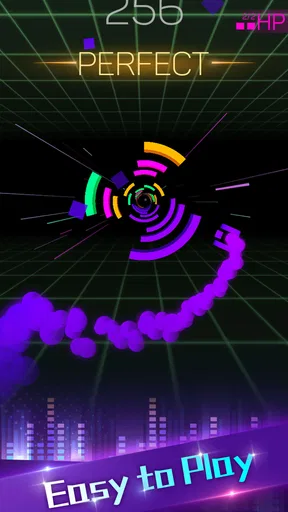
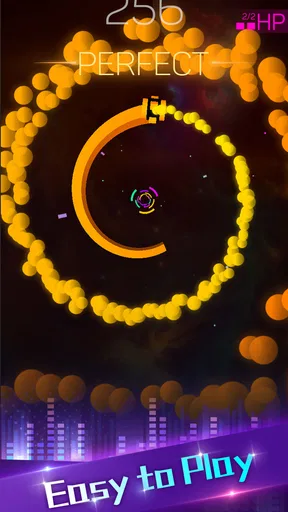
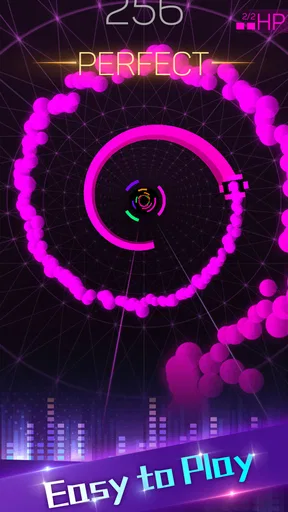
First off, Smash Colors: Music Ball Rush is one of those games that combines music with gameplay in a way that makes you feel like you're part of the track. You control a colored ball, and your mission is to keep it smashing through the correct colored barriers. Miss the beat, and it’s game over. It’s simple enough to get the hang of but challenging enough to keep you on your toes.
The controls are super intuitive. You just swipe left or right to move your ball, aligning it with the correct color. But don't be fooled by its simplicity; once the tempo picks up, you'll need some serious coordination skills to keep up. It's like suddenly finding yourself in a rhythm-induced trance.
Visuals and Soundtrack
One of the first things you'll notice when you fire up Smash Colors is how vibrant it is. The colors pop, and the design is sleek. It’s almost like the game is giving you a visual high-five every time you smash through a barrier. The graphics are smooth, which is crucial for a rhythm game. Any lag, and you'd be smashing into the wrong color in no time.
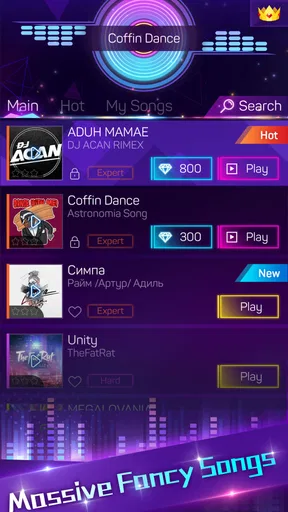
Now, let's talk about the soundtrack. Oh boy, the music is where this game shines. With a wide variety of tracks to choose from, there's something for everyone. Whether you're into pop, electronic, or something a bit more niche, the game has you covered. And the best part? The tracks are catchy enough to get stuck in your head all day.
Levels and Challenges
As you progress, the levels become more complex, with faster beats and trickier color patterns. It's like the game is daring you to keep up, taunting you with its beats. And trust me, once you start, you'll want to prove it wrong. Each level feels like a mini-accomplishment, especially when you hit those perfect combos. Plus, there's a leaderboard feature, so if you’re feeling competitive, you can see how you stack up against other players.
One thing I appreciated is that the game doesn’t bombard you with ads or push you into in-app purchases. Sure, there are options to buy extra lives or tracks, but it’s not in your face, which is a refreshing change from a lot of mobile games out there.
What the rhythm demands
The challenge is not just reacting quickly; it is keeping your attention on both the incoming color and the musical pulse. When a section gets faster, I find it more useful to watch the route ahead than to stare at the ball itself. The ball is easy to track, but looking forward gives me a little more time to prepare for a color change. That is a small adjustment, yet it can make a run feel less like frantic swiping and more like reading a pattern.
Another useful habit is to make deliberate, measured swipes rather than holding a direction or making repeated corrections. Since the basic action is moving left or right, a short input is easier to judge than a panicked series of movements. If I miss, I try to notice whether I reacted late to the beat or misread the color. Treating each failure as a clue makes retries less irritating and gives the game a bit more staying power.
The music can help set a rhythm, but it does not remove the need to watch the path. I would not recommend playing with eyes closed or relying on sound alone: color matching is part of the task, and visual attention matters. For someone who enjoys rhythm games but prefers a gentle, forgiving experience, the faster patterns may feel demanding rather than relaxing. The best fit is a player who likes short bursts of concentration and does not mind starting a section again after a mistake.
Playing Tips
If you're just starting out, here's a little tip: don’t rush. It might be tempting to just swipe away, but take a moment to get a feel for the beat. Start with the slower songs and work your way up. Trust me, your thumbs will thank you later.
Also, try playing with headphones on. The immersive experience is a game-changer. You'll feel the rhythm in your bones, and it makes it much easier to keep time with the beats.
Where it fits among music games
Compared with music games that ask you to tap notes in lanes or build a long session around a detailed track list, this one puts more emphasis on steering through color-matched obstacles. That makes it approachable for someone who wants movement and quick reactions rather than a more technical note-chart routine. It is also less suited to a player whose main goal is practicing a musical instrument or studying a song closely: the fun here comes from coordinating a ball with the route and beat, not from reproducing a melody.
Against a conventional casual arcade game, the music gives each attempt a stronger sense of pace. Against a dedicated rhythm title, the color and movement make it feel more immediately visual. That middle ground is its appeal, but also its limitation. If you want to compete chiefly on precise tapping, or prefer a game where sound is optional background rather than part of the rhythm, another style may serve you better.
The game is free, and optional purchases give players a route to buy items such as extra lives or tracks. I would begin without spending and see whether the available play already suits your habits. If a particular track or retry option becomes valuable to you, then you can decide whether it is worth paying for; there is no need to treat purchases as a prerequisite for trying the basic idea.
Levels and Challenges
As you progress, the levels become more complex, with faster beats and trickier color patterns. It's like the game is daring you to keep up, taunting you with its beats. And trust me, once you start, you'll want to prove it wrong. Each level feels like a mini-accomplishment, especially when you hit those perfect combos. Plus, there's a leaderboard feature, so if you’re feeling competitive, you can see how you stack up against other players.
One thing I appreciated is that the game doesn’t bombard you with ads or push you into in-app purchases. Sure, there are options to buy extra lives or tracks, but it’s not in your face, which is a refreshing change from a lot of mobile games out there.
Who should give it a try
I would point this toward someone who likes rhythm games but wants an uncomplicated control scheme, or an arcade player who enjoys trying to improve a run in small steps. It can work well for a commute break or a few minutes at home, provided the player has enough attention to follow the colors and beat. The large player community is also a sign that the game has found an audience: it has over 100 million installs, a 4.2 average rating, and around 346,000 ratings.
On the other hand, I would skip it if you dislike restarting after mistakes, find fast visual patterns tiring, or want a game that is naturally cooperative. It is also not my choice for a quiet shared space when other people need silence, since music and repeated attempts can become distracting. Headphones help, but they do not make every setting appropriate, and players should keep the volume comfortable.
It is worth knowing that this is a mature-rated game for ages 17 and up. I would not treat its simple controls or bright presentation as a sign that it is automatically appropriate for every child. In a household, an adult should make the age decision rather than relying on the game’s easy-to-understand premise. The developer is BADSNOWBALL HONGKONG LIMITED, and the game first arrived on July 29, 2020; its current version is 1.1.69 and it requires Android 7.0 or later.
Playing Tips
If you're just starting out, here's a little tip: don’t rush. It might be tempting to just swipe away, but take a moment to get a feel for the beat. Start with the slower songs and work your way up. Trust me, your thumbs will thank you later.
Also, try playing with headphones on. The immersive experience is a game-changer. You'll feel the rhythm in your bones, and it makes it much easier to keep time with the beats.
Final Thoughts
All in all, Smash Colors: Music Ball Rush is a fun, addictive way to spend your time. Whether you’re waiting for your coffee to brew or just chilling at home, it’s a great way to engage your brain and have a little fun. The combination of vibrant visuals and killer soundtracks makes it a standout in the rhythm game genre.
If you haven't tried it yet, give it a shot. Who knows, you might just find yourself lost in the music, smashing colors like a pro. So, go ahead and download it from your app store of choice, and let the rhythm take over!
A household-friendly way to decide
For a realistic shared-device test, I would try a short session when the room is calm, let one person complete a run, then pass the device to the next player. That quickly shows whether everyone enjoys the same balance of rhythm and visual focus. If one person wants to continue while another is waiting, agree on a turn limit before the first run; the game’s quick appeal can make “one more try” easy to stretch.
For a family with different ages, I would make the age rating the deciding boundary, not the fact that the game looks colorful or is easy to control. For adults and older teens who enjoy rhythm-driven arcade play, it can be an easy casual pick. For younger children, people who need a slower pace, or anyone looking for a cooperative music activity, a different game is likely a better match.
My household verdict is that this is a handy pick for brief solo turns and informal passing around, not a full group activity or a game I would choose for every player in the home. Its best moments come when one person can concentrate on the beat and route without being rushed. If that sounds appealing, the free entry point makes it easy to test; if the fast color changes or age context do not suit your household, there is little reason to force it.
Pros
- Engaging rhythm-based gameplay.
- Vibrant and colorful graphics.
- Easy-to-learn controls.
- Variety of music tracks.
- Regular updates with new levels.
Cons
- Ads can be intrusive.
- Limited offline play options.
- In-app purchases can be pricey.
- Occasional lag on older devices.
- Repetitive gameplay over time.
FAQs for Smash Colors: Music Ball Rush
What is Smash Colors: Music Ball Rush?
Smash Colors: Music Ball Rush is an exhilarating rhythm-based game where players navigate a color-changing ball through a vibrant, musical world. The game combines fast-paced action with a dynamic soundtrack, challenging players to smash through color-coded barriers in sync with the music. It offers an engaging experience for music and arcade game enthusiasts.
Is Smash Colors: Music Ball Rush free to play?
Yes, Smash Colors: Music Ball Rush is free to download and play on both Android and iOS devices. However, the game includes in-app purchases that can enhance the experience by unlocking additional features, songs, or removing ads. Players can enjoy the core gameplay without spending any money, but optional purchases are available.
What are the main features of Smash Colors: Music Ball Rush?
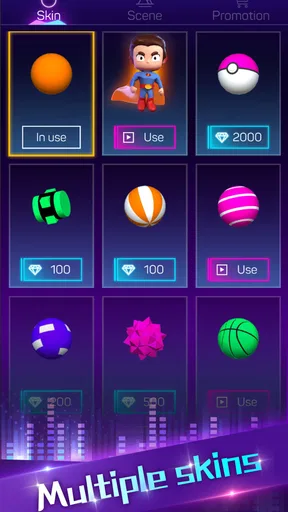
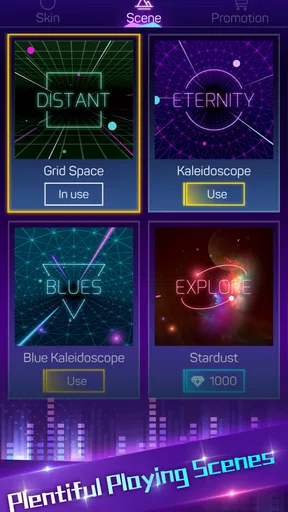
The game features a vibrant and colorful design, a wide array of popular songs, and intuitive controls that allow for easy gameplay. Players can enjoy various levels with increasing difficulty, each synchronized to a unique track. The game also offers customization options for the ball and background to enhance the visual experience.
Are there any age restrictions for playing Smash Colors: Music Ball Rush?
Smash Colors: Music Ball Rush is suitable for players of all ages, making it a great choice for family-friendly entertainment. The game does not contain any inappropriate content, but parents should be aware of in-app purchase options, ensuring that children do not make unauthorized transactions while playing.
How can I improve my skills in Smash Colors: Music Ball Rush?
To improve in Smash Colors: Music Ball Rush, focus on developing a sense of rhythm and timing. Practicing regularly will help you anticipate the beat and navigate through obstacles more effectively. Utilize the practice modes, start with slower songs, and gradually progress to faster tracks as your skills improve. Watching tutorials or gameplay videos can also provide useful strategies.


